Himiway D5 Electric Fat Bike: Honest Review
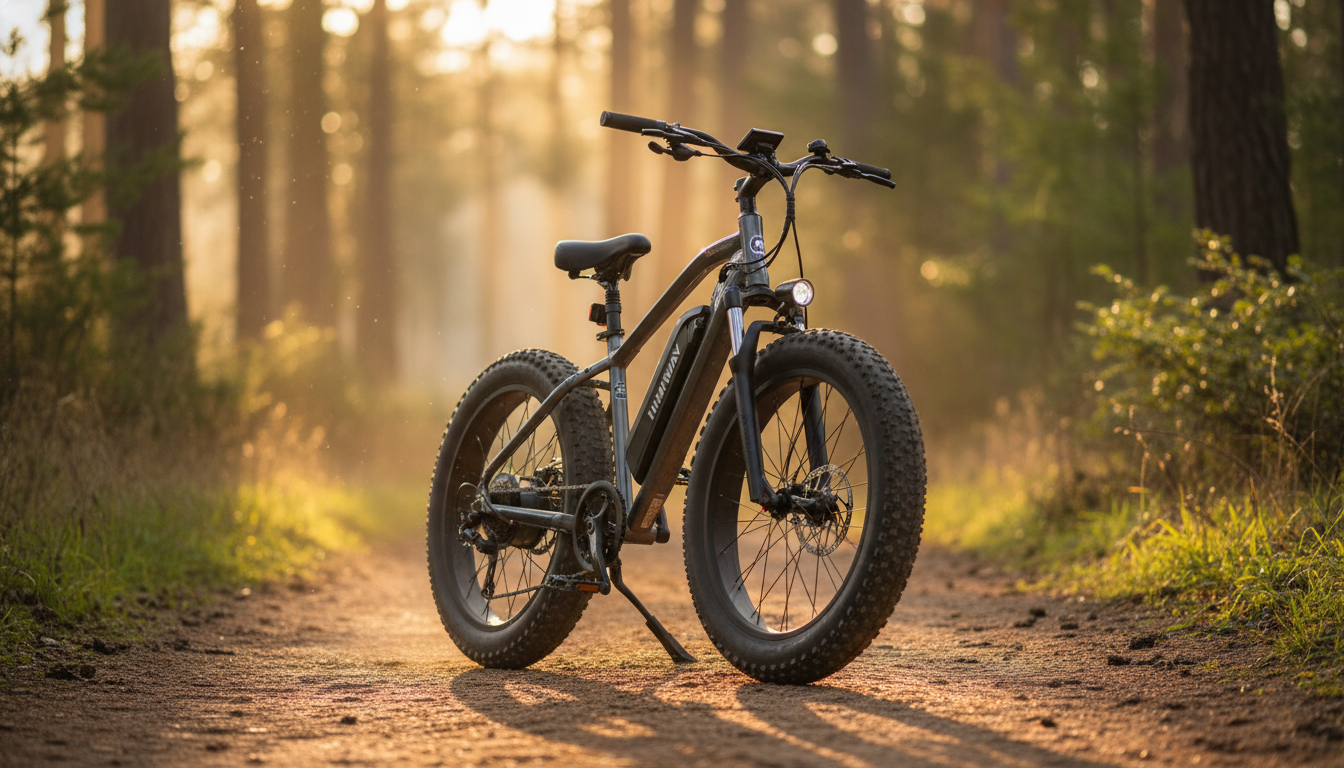
The Himiway D5 sits in a crowded bracket of sub-$2,000 fat tire e-bikes that all promise off-road capability without wrecking your budget. The real question is whether it delivers on that promise or trades too much to hit the price point. Short answer: it’s a capable commuter-plus-trail bike with a few compromises worth knowing before you buy.
What You’re Getting for the Money
The D5 runs a 750W rear hub motor (peak 1,000W) paired with a 48V 20Ah Samsung/LG cell battery — that’s 960Wh of capacity, which is genuinely competitive at this price. Himiway claims a range up to 60 miles in pedal-assist mode. Real-world figures from riders in mixed terrain and PAS 2-3 tend to land between 35 and 45 miles, which is still strong.
The frame is a step-thru or step-over aluminum option depending on the variant. Tire width is 4-inch on 26-inch rims — proper fat bike spec, not the “fat-ish” 3-inch you see on some competitors cutting corners.
Ride Quality and Handling
The 4-inch Kenda tires do a lot of heavy lifting here. On sand, gravel, and light trail, the D5 handles predictably. It’s not a full-suspension trail destroyer — the front suspension fork offers around 80mm of travel, which softens washboard and roots but won’t save you on aggressive drops.
At 77–80 lbs depending on configuration, this is a heavy bike. That weight is noticeable when you’re loading it into a truck bed or carrying it up stairs. On the road and trail, the motor masks most of it, but it matters for portability.
The hydraulic disc brakes are one of the D5’s standouts in this class. Many sub-$2,000 fat bikes still spec mechanical discs; hydraulic stopping power matters when you’re descending with a loaded battery and that much mass behind you.
Motor and Assist Performance
The 750W hub motor has enough torque (roughly 80 Nm) to handle moderate inclines without feeling strained. It won’t embarrass itself on a 10–12% grade, but push into steeper sustained climbs and you’ll feel it working harder than a mid-drive setup would.
The 7-speed Shimano drivetrain is functional but basic. The gear range is adequate for most riders; experienced cyclists who want to spin efficiently on long flat stretches might wish for an 8- or 9-speed cassette. That said, for the target rider — someone doing mixed urban and light trail use — it’s fine.
Throttle response is smooth rather than snappy, which is the right call for a heavy bike. Himiway uses a half-twist throttle that works independently of PAS, useful when you need a boost from a dead stop without pedaling.
Build and Component Quality
- Frame: Aluminum alloy, welds are clean, no obvious flex issues reported
- Display: Color LCD showing speed, battery, PAS level, and trip data — readable in daylight
- Lights: Integrated front and rear — genuinely bright, not an afterthought
- Fenders: Included, full-coverage, and actually sturdy
- Rear rack: Rated to 150 lbs, included in the box
The integrated lighting and rack are real value-adds. Many competitors in this range charge extra for both or skip them entirely. For a commuter who wants to haul gear or groceries, this matters.
One consistent complaint in owner feedback: the stock saddle is mediocre. Budget $30–60 for a replacement early and save yourself the discomfort.
How It Stacks Up Against Competitors
The most direct comparisons are the Rad Power RadRover 6 Plus and the Lectric XP 3.0 Fat. The RadRover 6 Plus costs more (around $1,999–$2,099 with accessories), has a larger dealer network, and offers a smoother app ecosystem. The Lectric XP 3.0 Fat undercuts the D5 significantly on price but uses a smaller battery and lighter-duty components.
The D5 lands closer to the RadRover in actual capability while pricing closer to the Lectric. That’s a reasonable value proposition — if you don’t need Rad’s service network, the Himiway is genuinely competitive.
Where the D5 loses: Himiway’s customer service and warranty support are hit-or-miss based on owner reports. If you’re the kind of rider who wants a local dealer to sort issues quickly, that’s a real drawback. If you’re comfortable with basic bike maintenance and email support, it’s manageable.
Who Should Buy the D5
Buy it if:
- You want a fat tire e-bike for mixed commuting and weekend trail use under $2,000
- Integrated lights, fenders, and a rear rack are priorities
- You’re comfortable doing basic maintenance yourself or have a local shop you trust
Skip it if:
- You need strong local dealer or warranty support
- You’ll be doing sustained steep climbing (consider a mid-drive alternative like the Bafang-equipped Aventon Aventure)
- Weight and portability are critical — at 80 lbs, this bike demands a permanent parking spot
Bottom line: The Himiway D5 is one of the better-equipped fat tire e-bikes under $2,000, with a genuinely useful battery, solid hydraulic brakes, and real-world range that holds up. The customer support gamble and the weight are the honest trade-offs. If those don’t break the deal for your use case, it earns its price tag.