Best Fat Tire Electric Bikes in 2026: Top Picks
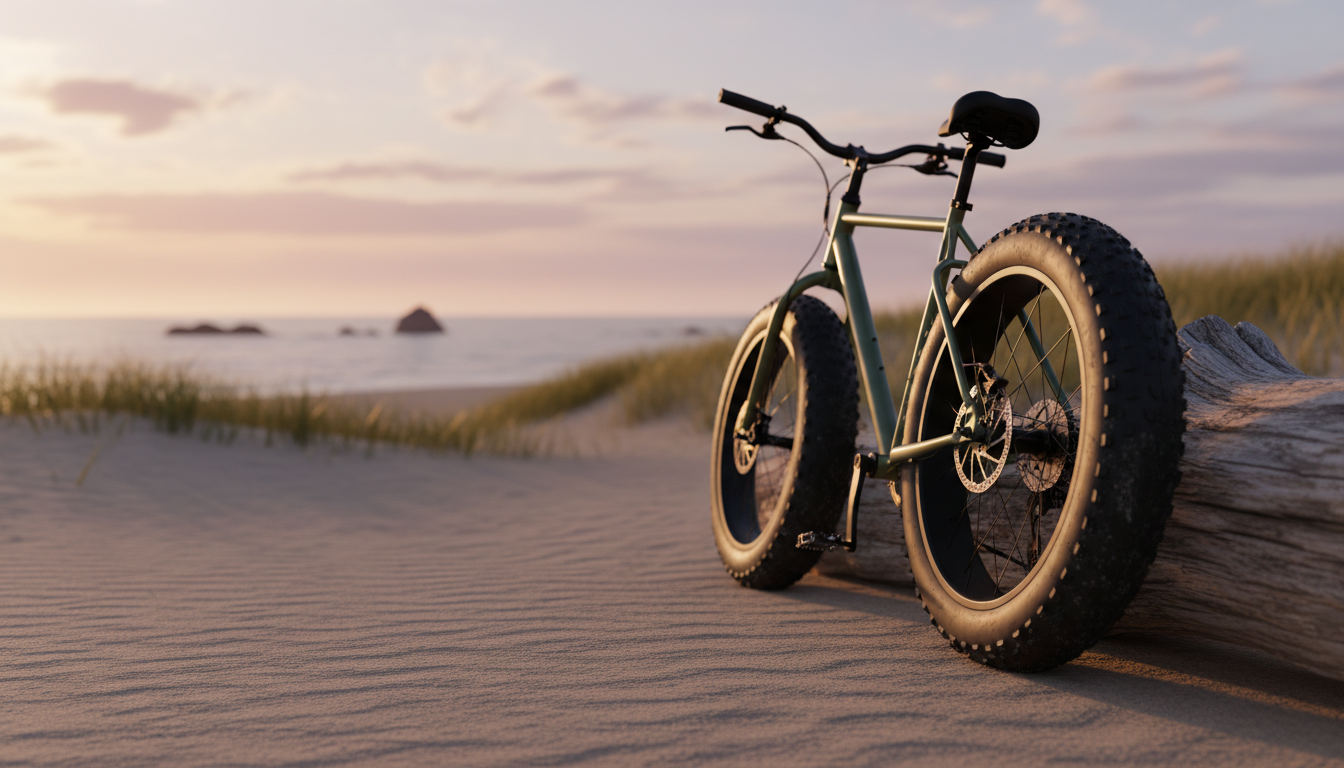
Fat tire e-bikes are built for terrain that would stop a standard bike cold—loose sand, packed snow, rooted singletrack, muddy fire roads. The category has matured fast, and there are now clear winners at each price tier. Here are the best options right now and how to choose between them.
What Makes a Fat Tire E-Bike Actually Good
The tires are the obvious differentiator—4-inch width is the baseline, 4.5–5 inches is where you get serious flotation on soft surfaces. But the tire is only part of the equation. Motor placement matters: mid-drive motors (Bosch, Shimano EP8, Bafang M620) handle steep and technical terrain better because they work with the drivetrain’s gearing. Hub motors are cheaper and more than adequate for casual off-road use and beach cruising.
Battery capacity is where many budget bikes cut corners. For fat tire riding, you’re fighting rolling resistance constantly, so a 720Wh pack or larger is worth prioritizing if range matters. A 500Wh battery on a 70-lb bike with 4.8-inch tires will leave you walking home sooner than the spec sheet suggests.
Frame geometry also separates trail-capable bikes from novelty ones. Look for at least 100mm of front suspension travel, a low standover height for technical riding, and a geometry that doesn’t feel like a beach cruiser when the trail gets steep.
The Best Picks by Category
Best overall: Specialized Turbo Levo — The Levo runs Specialized’s own SL motor on some trims, and the full-power versions use a Brose-derived drive unit. The geometry is dialed for actual mountain biking, not just the appearance of it. It’s expensive (starting around $4,500 for the base alloy), but it’s one of the few fat-capable e-bikes that experienced mountain bikers will actually want to ride.
Best value: Rad Power Bikes RadRover 6 Plus — Rad has kept this bike competitive without chasing the premium market. The 750W hub motor, 672Wh battery, and 4-inch Kenda tires cover commuting, light trail use, and beach riding competently. At its price point, nothing else offers this combination of reliability, parts availability, and brand support.
Best for serious trail riding: Trek Powerfly FS — Full suspension, Bosch Performance Line CX motor, and geometry that was designed around actual trail riding. The FS 4 is the entry point; the FS 9 gets you a RockShox suspension setup worth taking seriously. If you’re riding technical terrain regularly, the full-suspension platform justifies every dollar over a hardtail.
Best budget pick: Lectric XP 3.0 — Under $1,000 folding fat tire e-bike. The 500W motor and 48V battery won’t impress on technical terrain, but for flat trail paths, beach boardwalks, and urban use with occasional dirt, it overdelivers at the price. The fold is genuinely useful if storage or transport is a constraint.
Best for snow and sand: QuietKat Ranger — QuietKat builds bikes specifically for hunters and overlanders, which means fat tires (up to 4.5 inches), a 750W hub motor, and frames designed around carrying gear. It’s not a trail bike in the mountain biking sense, but for backcountry access and soft-surface exploration, few bikes are as purpose-built.
Motor and Battery: The Specs That Actually Matter
Mid-drive versus hub drive is the most consequential decision. Mid-drive bikes climb better and feel more natural on variable terrain because the motor amplifies your pedaling through the gears. Hub drives are simpler, cheaper to maintain, and sufficient for riders who aren’t pushing technical terrain.
For battery, the math is straightforward: fat tires add rolling resistance, hills drain power faster, and heavier bikes (most fat tire e-bikes run 60–80 lbs) compound both. A 500Wh pack is a minimum for meaningful range. A 720Wh or 750Wh pack gives you realistic 30–50 mile range depending on assist level and terrain. If the brand doesn’t publish Wh (just voltage × amp-hours), calculate it yourself—a 48V 14Ah pack is 672Wh.
What to Ignore in the Marketing
“750W” motor ratings are nearly meaningless without context. That number refers to sustained wattage output, which most hub motors never actually sustain. Peak wattage figures (often listed as 1,000W or 1,200W) are even less useful. What matters is torque (Nm), which tells you how hard the motor pulls. Bosch’s Performance Line CX produces 85Nm. A generic 750W hub motor might produce 55–65Nm. That gap is noticeable on climbs and in technical terrain.
Suspension travel listed without fork brand is also a red flag. A 100mm fork from SR Suntour’s budget line performs very differently from a 100mm RockShox Recon. Check the component spec sheet, not just the headline numbers.
How to Choose
- Casual riding (beach, rail trails, light dirt): RadRover 6 Plus or Lectric XP 3.0 depending on budget. Hub drive is fine.
- Technical singletrack and climbing: Trek Powerfly FS or Specialized Turbo Levo. Mid-drive is non-negotiable.
- Snow, sand, backcountry access: QuietKat Ranger or similar utility-focused builds with 4.5-inch tires minimum.
- Commuting + weekend trail use: RadRover 6 Plus hits the overlap best without requiring a premium budget.
Bottom line: The RadRover 6 Plus is the right starting point for most riders who want a capable, practical fat tire e-bike without overspending. If you’re riding real mountain terrain, spend the money on a Trek Powerfly FS or Levo—the geometry and motor quality make a difference you’ll feel on every descent.