Best Commuter Electric Bikes Compared (2026)
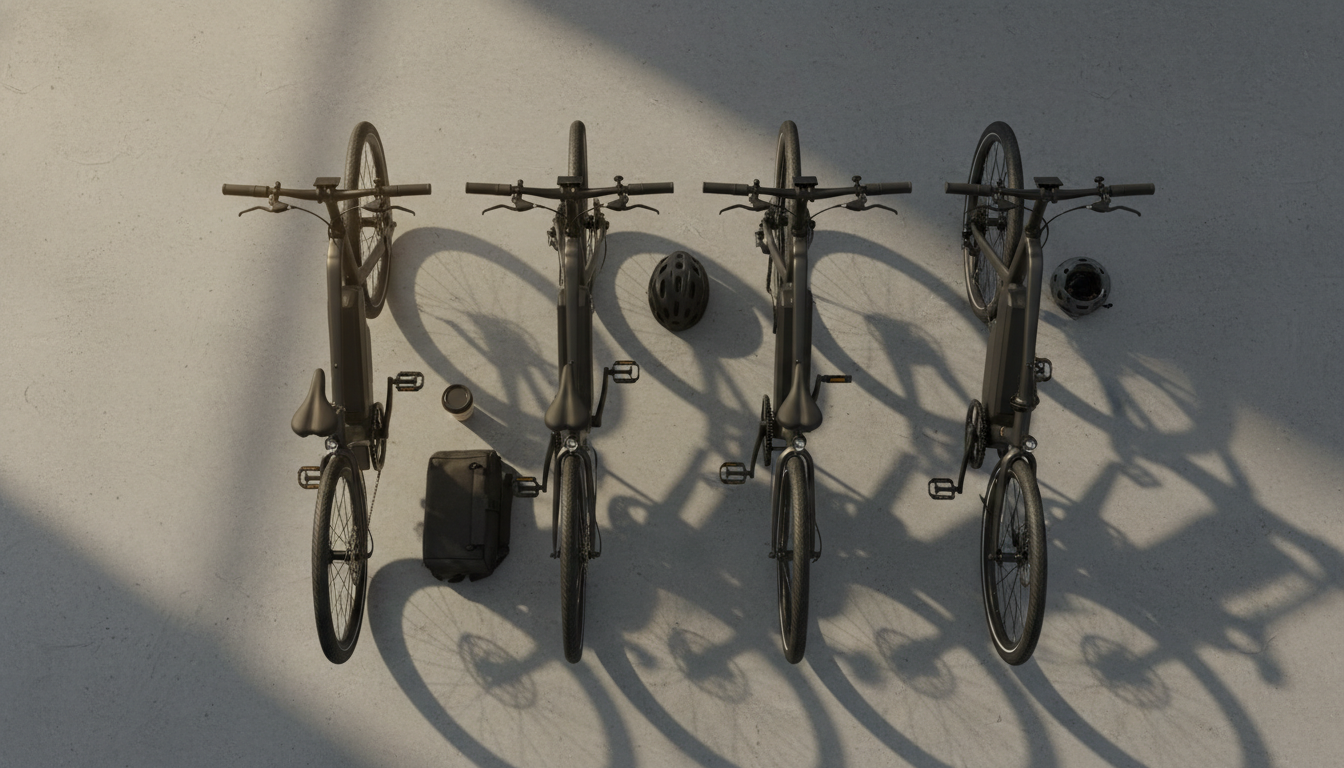
Commuter e-bike shoppers usually want the same three things: reliable range, a bike that doesn’t weigh a ton to haul upstairs, and a price that doesn’t require a second mortgage. The field has narrowed to a handful of genuinely strong options, and the right pick depends almost entirely on your route distance, storage situation, and whether you care about cargo carrying capacity.
What Actually Matters for a Daily Commute
Range specs on e-bike listings are marketing numbers measured under ideal conditions—flat ground, light rider, minimal assist. For real commuting, cut the advertised range by 30–40% if your route has hills, cold weather, or you ride on higher assist levels.
Weight matters more than most buyers expect. A 55 lb (25 kg) bike is fine if you roll it directly into a garage. It becomes a daily annoyance if you’re carrying it up two flights of stairs or lifting it onto a bus rack.
Motor placement is also worth noting. Mid-drive motors (like Bosch and Shimano EP8) handle hills more efficiently and feel more natural. Hub motors are cheaper and lower-maintenance but lose efficiency on sustained climbs.
The Dependable All-Rounder: Trek Allant+ 7
The Allant+ 7 runs a Bosch Performance Line mid-drive motor with a 500Wh battery. Real-world range sits comfortably around 40–55 miles depending on terrain and assist level—enough for most urban and suburban commutes with a buffer.
At roughly 52 lbs, it’s not the lightest option, but the geometry is upright and stable, which matters when you’re navigating traffic. It ships with integrated lights, fenders, and a rear rack, so you’re not bolting on accessories after the fact.
Price lands around $3,500. That’s mid-range for a quality commuter, and Trek’s dealer network means service is accessible in most cities.
The Lightweight Option: Specialized Vado SL 4.0
If weight is your main constraint, the Vado SL 4.0 is the benchmark. It uses Specialized’s own SL 1.1 motor—a compact 240W unit that keeps the bike under 33 lbs. That’s lighter than some non-electric commuter bikes.
The trade-off is motor power. The SL motor is notably less forceful than a Bosch Performance Line, so steep hills require more leg input. The 320Wh battery is also smaller; expect real-world range of 30–45 miles. A range extender battery is available if you need more.
Street price is around $3,200. For apartment dwellers or anyone sharing elevator space with a bike, the weight savings are genuinely worth the motor compromise.
The Budget Pick: Rad Power RadCity 5 Plus
At roughly $1,699, the RadCity 5 Plus punches significantly above its price. It runs a 750W rear hub motor and a 672Wh battery—one of the larger stock batteries in this price range—with real-world range typically landing between 35 and 50 miles.
It weighs around 65 lbs, which is heavy. Rad’s app integration and component spec aren’t at the Trek or Specialized level either. But if your commute is relatively flat, you have ground-floor storage, and you want to keep costs low, it’s hard to argue against.
Rad also sells direct-to-consumer, so warranty service is handled by mail rather than a local shop. Factor that into the decision if you’re not comfortable with basic bike maintenance.
The Cargo-Ready Option: Tern GSD S10
Some commuters need to carry kids, groceries, or gear—not just a backpack. The Tern GSD S10 is built for that. It’s a compact longtail cargo bike with a Bosch Cargo Line motor and enough load capacity to carry two child seats plus gear.
The GSD S10 is expensive (around $5,500) and heavy at roughly 77 lbs unloaded. It’s not for everyone. But if your commute doubles as a school run or a grocery haul, it replaces a car trip in a way that a standard commuter can’t.
The short wheelbase for a cargo bike also means it fits in a standard parking spot and navigates city traffic reasonably well.
Decision Criteria: How to Pick
Match the bike to the actual constraints of your commute rather than the best spec sheet.
- Route under 20 miles round-trip, flat to moderate hills, budget under $2,000: RadCity 5 Plus
- Apartment storage, need to carry the bike: Specialized Vado SL 4.0
- All-weather, mixed terrain, want dealer support: Trek Allant+ 7
- Carrying passengers or heavy cargo regularly: Tern GSD S10
- Steep hills are non-negotiable: anything with a Bosch mid-drive; avoid hub motors
Don’t buy a bike based on top range if your commute is 12 miles. Don’t buy the lightest option if you never carry it upstairs. The best commuter e-bike is the one that removes friction from the specific trip you’re actually making.
Bottom line: For most commuters, the Trek Allant+ 7 is the right balance of range, reliability, and accessories out of the box. If weight is a hard constraint, the Vado SL 4.0 is worth the price premium. If budget is the filter, the RadCity 5 Plus is a legitimate choice—not a compromise pick.