Fat Tire E-Bike Black Friday Deals: What's Worth It
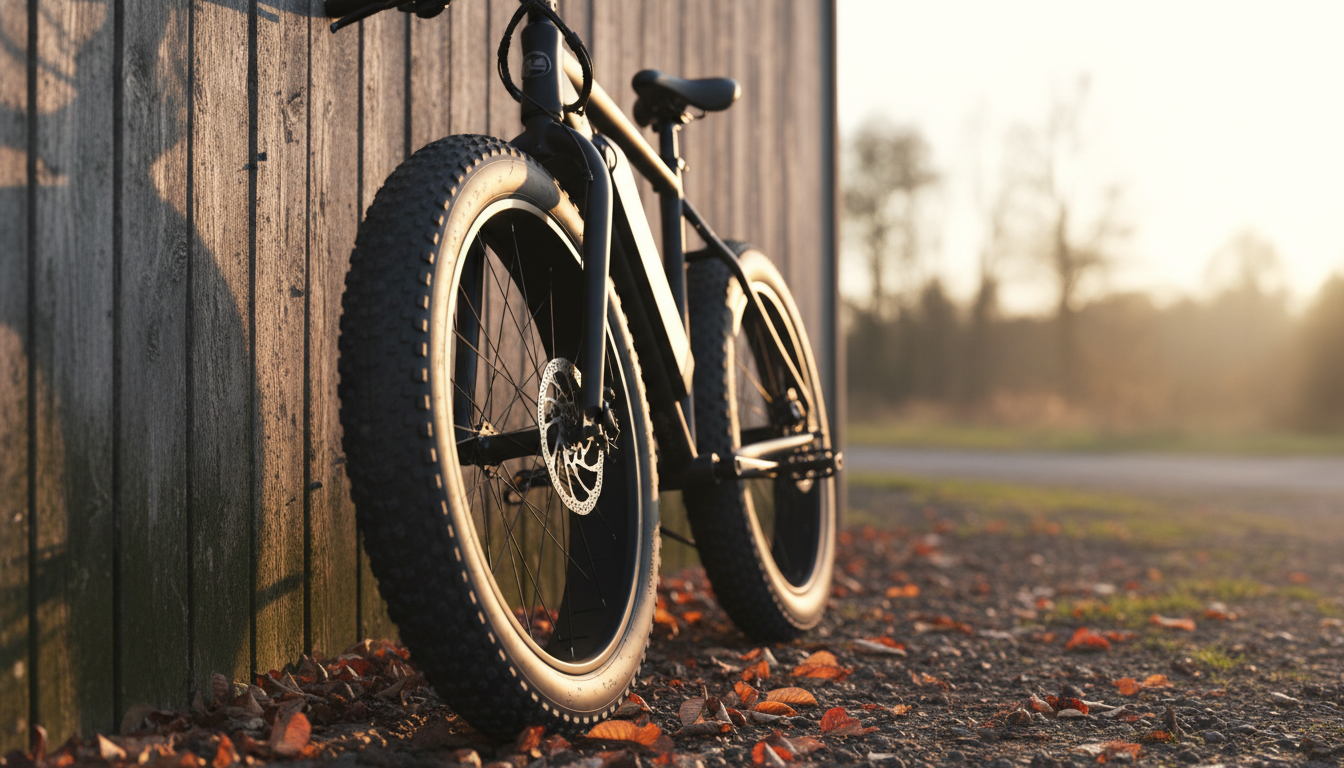
Black Friday is one of the few times fat tire e-bike prices drop meaningfully—sometimes $300–$600 off mid-range models. The catch: a lot of “sales” are inflated MSRPs being knocked back to normal retail. Here’s how to tell the difference, and which bikes have historically earned legitimate discounts.
Why Fat Tire Bikes Show Up Big During Black Friday
Fat tire e-bikes carry higher margins than traditional bikes, which gives brands more room to discount without bleeding money. They’re also a popular impulse buy—wide tires, approachable geometry, and the “adventure” aesthetic move units during holiday gifting season.
That margin headroom is why brands like Rad Power, Lectric, and Aventon consistently offer their fat tire models during Black Friday rather than quietly discounting road or commuter bikes. The demand is there, and so is the flexibility to price aggressively.
Models That Have Historically Seen Real Discounts
These bikes have appeared in legitimate Black Friday promotions in past years. Pricing fluctuates, so treat these as a watchlist, not a shopping cart.
- Rad Power RadRover 6 Plus — Rad runs one of the most consistent Black Friday sales in the industry. The RadRover 6 Plus has dropped $300–$400 off its ~$1,999 base price.
- Lectric XPedition — Lectric’s cargo-capable fat tire model regularly sees $150–$250 cuts, plus bundled accessories (fenders, bags) that add real value.
- Aventon Aventure.2 — Aventon discounts tend to be smaller (around $200) but their dealer network also runs in-store promotions worth checking.
- Himiway Cruiser / Zebra — Himiway does direct-to-consumer sales with steeper percentage cuts, sometimes 20–25% off, though their standard pricing is higher to begin with.
- ENGWE EP-2 Pro — A budget entry point (~$800–$1,000) that often drops another $100–$150 through Amazon and the brand’s own site.
How to Verify a Deal Is Actually a Deal
The oldest trick in the book: inflate the “original” price in October, then discount it back to normal in November.
Check the bike’s price on CamelCamelCamel (for Amazon listings) or use the Wayback Machine to pull archived product pages from August or September. If the “original” price only appeared a few weeks before Black Friday, it’s manufactured scarcity.
For direct-to-consumer brands, Google the model name plus “price history” or check forums like Reddit’s r/ebikes—members track pricing changes obsessively and will call out fake discounts within hours.
A real discount means the price is below what the bike sold for in the summer. A $500 discount on a bike that was $500 more expensive in October is noise.
What to Actually Look For Beyond the Price Tag
A lower sticker price doesn’t automatically make a fat tire bike worth buying. Before pulling the trigger, check these:
- Motor placement — Mid-drives (like the Bafang M500/M600) handle hills better; hub motors are cheaper to maintain. Know which you’re getting.
- Battery capacity — Under 10Ah on a fat tire bike means short range. 14Ah–17.5Ah is the sweet spot for riders who want 30+ mile range.
- Warranty terms — Rad offers 1 year; some smaller brands offer 2. Black Friday deals sometimes come with shortened warranty windows. Read the fine print.
- Hydraulic vs. mechanical disc brakes — Fat tire bikes are heavier (often 65–80 lbs). Hydraulic brakes aren’t a luxury on a bike this size.
- Torque sensor vs. cadence sensor — Torque sensors provide a more natural, responsive ride. Most budget fat tire bikes use cadence sensors. Neither is wrong, but you should know what you’re buying.
Timing the Purchase
Black Friday deals from major e-bike brands typically go live the Monday before Thanksgiving and last through Cyber Monday. Rad Power, Lectric, and Aventon have all followed this pattern for multiple years.
Don’t wait for the “best” deal on the final day. Inventory on popular colorways sells out fast, and the deal doesn’t usually get better—it just gets harder to fulfill before the holidays. If the price hits your threshold and the spec sheet checks out, buy it.
If you miss the window, January brings a second wave of clearance pricing as brands move prior-year inventory before new models land. The discounts aren’t as dramatic, but they’re real.
Brands to Avoid During Sale Season
Not every brand running a Black Friday sale deserves your business. Watch out for:
- No-name Amazon brands with no physical address, no U.S. service network, and reviews that appeared in bulk within 60 days of listing.
- Brands that don’t publish their battery cell manufacturer — generic cells degrade faster and pose greater safety risks.
- “Limited time” countdown timers that reset — a classic dark pattern. If the timer starts over when you reopen the page, the scarcity is fake.
Stick to brands with documented service networks, publicly available owner communities, and replacement parts you can actually buy a year from now.
Bottom line: The best fat tire e-bike Black Friday deal is one where the price is verifiably lower than it was in the summer, the specs justify the category, and the brand will still answer the phone in 18 months. RadRover and Lectric XPedition are the safest starting points for most budgets.