Best Pedal-Assist E-Bikes for New Riders in 2026
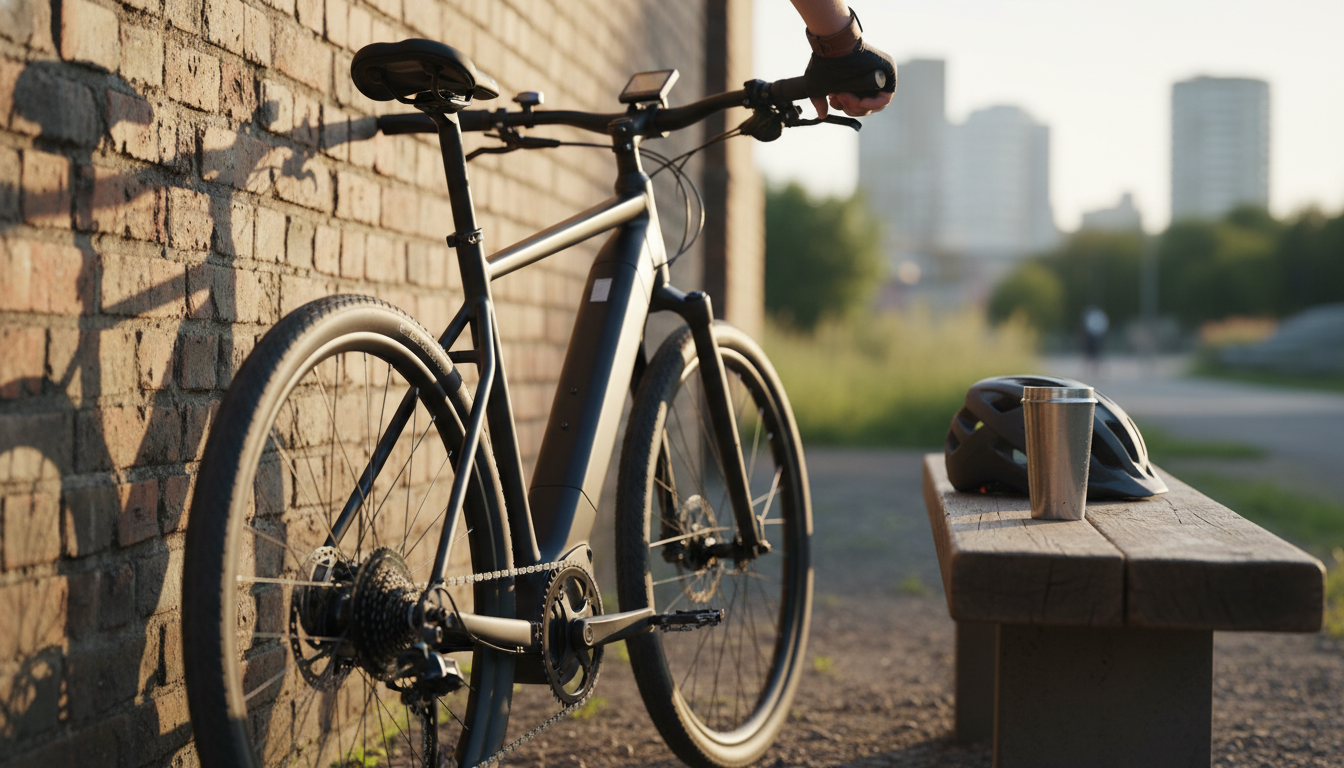
Starting with a pedal-assist e-bike is the right call for most new riders. The motor helps when you need it and stays quiet when you don’t, which means you actually learn to ride rather than just hold on. The tricky part is that the entry-level market is crowded with bikes that look similar on paper but ride very differently in practice.
These picks are based on owner feedback, retailer reviews, and spec comparisons across the most-discussed models in beginner communities.
What “beginner-friendly” actually means in specs
A beginner-friendly e-bike isn’t just cheap. It’s one that doesn’t punish small mistakes.
That means a step-through or low-step frame (easier to mount, especially in traffic), a motor with smooth power delivery rather than aggressive surge, and a display that doesn’t require a manual to operate. Hydraulic disc brakes matter too. Once you try stopping a 55-pound bike on a wet street with cable brakes, you understand why.
Battery range in the 40-60 mile zone is plenty for most new riders. Bigger battery packs add weight and cost without adding much practical value until you know your riding patterns.
The Lectric XP 3.0: best for budget-conscious starters
Around $999, the Lectric XP 3.0 is the most-discussed beginner e-bike in online forums and it earns the attention. It’s a folding fat-tire bike with a 500W motor (750W peak), a 48V battery, and a claimed range of up to 45 miles on pedal assist.
Owner reports across Reddit and Amazon consistently note that the assembly is straightforward and the power delivery is manageable for new riders. The folding frame is a bonus if you live in an apartment or commute via transit. The trade-off is ride quality: fat tires smooth out bumps, but the bike is heavy at around 64 lbs, which matters if you have to carry it up stairs.
At this price, it competes with almost nothing else.
The Aventon Pace 500.3: best all-rounder under $1,500
Aventon has built a strong reputation for value, and the Pace 500.3 is probably their most sensible beginner option. It runs a 500W rear-hub motor, hits Class 2 speeds (up to 20 mph throttle-assisted), and comes in both step-through and standard frame options.
The color display is clean and readable, and the five pedal-assist levels give you real granularity. Buyers on the Aventon community forums report that the step-through version is especially popular with riders returning to cycling after a long break. Battery range sits around 40-60 miles depending on assist level and terrain.
It’s heavier than a road bike but not awkward to handle. Most owners describe the first few rides as immediately comfortable.
The Ride1Up Turris: for riders who want something lighter
At roughly 49 lbs, the Turris is noticeably lighter than most hub-motor commuters in its price range (around $1,095). Ride1Up used an alloy frame with a cleaner internal cable routing, which gives it a less cluttered look than most bikes at this price.
The motor is a 500W rear-hub unit, paired with a torque sensor on some configurations. Torque-sensing motors feel more natural to ride because the assist responds to how hard you’re pedaling rather than just your cadence. New riders often find this less jarring than cadence-only sensors.
Owner reviews note it handles well on mixed terrain and that the hydraulic brakes are confidence-inspiring. If aesthetics matter to you and you want something that doesn’t scream “e-bike,” the Turris stands out.
What to skip as a beginner
Avoid Class 3 bikes (28 mph) for your first purchase. The extra speed sounds appealing but the handling demands go up, and in many areas Class 3 bikes require registration or are restricted from bike paths.
Also skip full-suspension e-bikes under $2,000. The suspension components at that price point are often low-quality and add weight without meaningfully improving comfort on typical city or path riding.
And skip any bike with no hydraulic disc brakes if you’re riding in a climate with rain. It’s a small spec detail that has a large real-world impact.
Practical buying checklist
Before you order, confirm these:
- Frame style: step-through is genuinely easier for most new riders, not just older ones
- Motor type: torque sensor is smoother; cadence sensor is fine but more “on/off” in feel
- Brake type: hydraulic disc is non-negotiable for anything over 20 mph
- Weight: under 55 lbs is manageable; over 65 lbs gets difficult if you need to carry or lift the bike
- Return policy: buy from a brand with at least a 30-day return window and a real customer service line
The Lectric XP 3.0 wins on price. The Aventon Pace 500.3 wins on overall balance. The Ride1Up Turris wins if you want a lighter, better-looking commuter. Pick based on your actual situation, not the longest spec sheet.