Best Fat Tire Electric Bikes in 2026: Top Picks Ranked
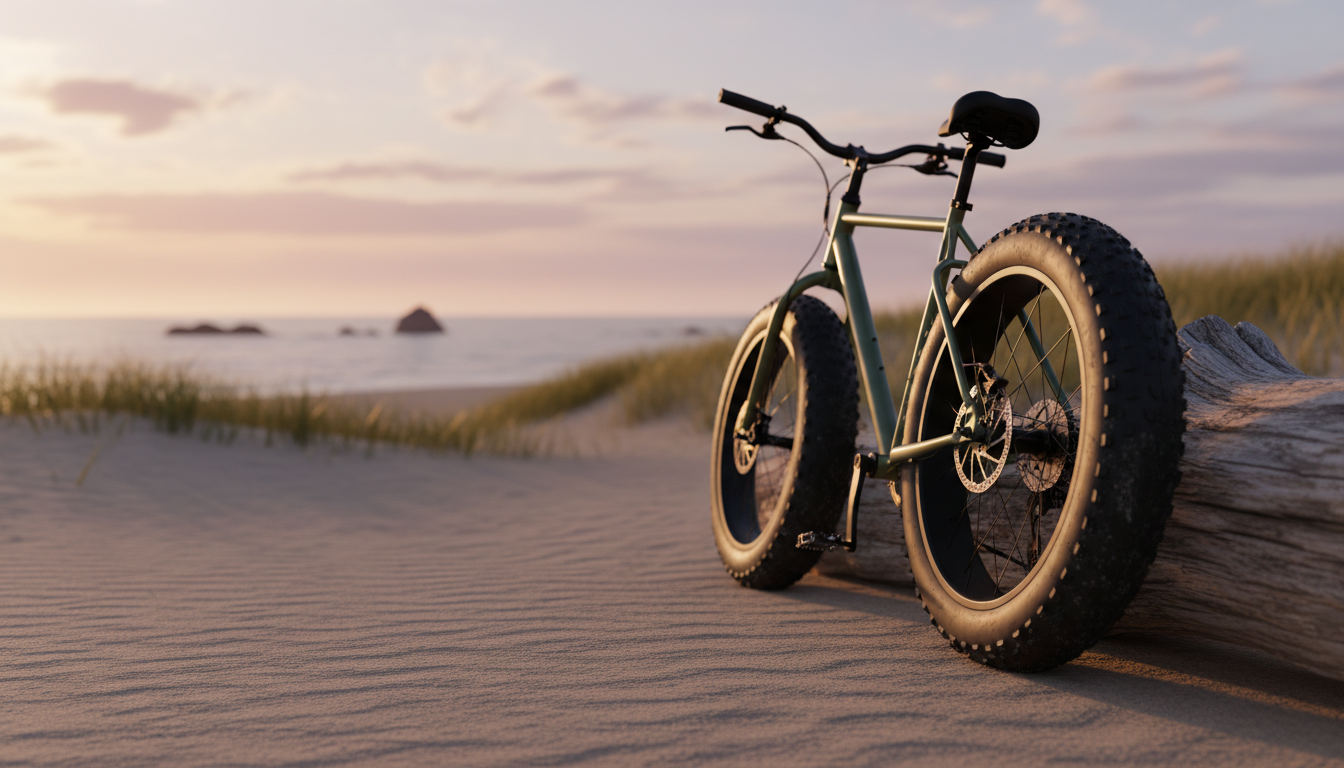
Fat tire e-bikes exist for one reason: traction where regular tires quit. Sand, snow, mud, loose gravel — the 4-inch-plus tires absorb what narrower wheels bounce off of. The question isn’t whether fat tire e-bikes work; it’s which one matches your terrain, weight limit, and budget.
Here are the strongest options across different use cases, with clear reasons to choose each.
Best Overall: Rad Power Bikes RadRover 6 Plus
Rad Power Bikes RadRover 6 Plus remains the benchmark for value in this category. It runs a 750W geared hub motor, 48V/14Ah battery, and 4-inch Kenda tires — enough for trails, packed snow, and beach paths without needing a second mortgage.
Range sits around 25–45 miles depending on assist level and rider weight, which is honest mid-range performance. The integrated rear rack, hydraulic disc brakes, and semi-integrated battery make it feel more polished than most bikes at this price point.
If you’re buying your first fat tire e-bike and want something that works out of the box without tuning, this is the default recommendation.
Best for Serious Off-Road: Surron Light Bee X (and Alternatives)
For riders who want real trail aggression — think root-strewn singletrack or steep fire roads — you need more torque and suspension than a hub motor can deliver. The Lectric XPedition isn’t in that class, but the KTM Macina Kapoho 797 is — mid-drive motor, full suspension, and 4-inch tires designed for Alpine-style abuse.
Mid-drive motors matter here because they use the bike’s gears, giving you torque multiplication on climbs. Hub motors spin at a fixed rate regardless of gear, which limits their effectiveness on sustained steep grades.
Expect to pay $4,000–$7,000 for a legitimately capable full-suspension fat tire e-MTB. Below that, you’re getting compromises — usually in suspension quality or motor placement.
Best Budget Pick: Lectric XP 3.0
Lectric XP 3.0 ships folded, weighs around 64 lbs, and costs significantly less than most competitors with comparable specs. The 500W motor (peak 800W) and 48V battery handle light trails and daily commutes reliably.
The 3-inch tires split the difference between fat and standard — more cushion than a road tire, less aggressive than 4-inch knobby rubber. That’s a reasonable trade for a bike this portable and affordable.
Where it falls short: sustained technical terrain and high-speed stability. At 20 mph on gravel, a heavier full-size fat tire bike feels planted; the XP 3.0 feels like what it is — a folding commuter with wider tires.
Best for Heavy Riders: QuietKat Apex Pro
Weight limits on most fat tire e-bikes cap at 275–300 lbs. The QuietKat Apex Pro is rated for 325 lbs and uses a Bafang M620 ultra mid-drive motor — one of the most torque-dense production motors available, rated at 160Nm.
The frame geometry is also designed with heavier riders in mind, with a reinforced downtube and wider dropout spacing. This isn’t marketing language; frame flex under load is a real issue on cheaper fat tire bikes, and QuietKat built around it.
The tradeoff is weight: the Apex Pro is heavy, and you’ll feel it if you ever need to lift or store it. But for riders who’ve been burned by undersized motors and frames, this bike earns its price.
Best Cargo/Utility: Lectric XPedition
If hauling gear — groceries, camping equipment, kids — is the main goal, the Lectric XPedition is built for it. It supports up to 450 lbs total (rider + cargo), ships with front and rear rack mounts, and runs fat tires for stability under load.
The dual-battery option extends range meaningfully — critical when you’re carrying weight and using more assist. Single-battery range at full load will disappoint; spec the dual if cargo use is your primary scenario.
This is a cargo bike that happens to have fat tires, not a trail bike. Keep that framing and it performs exactly as advertised.
How to Choose: Four Questions
Before buying, answer these:
- What surface? Packed gravel and light trails → 3–3.5 inch tires and hub motor are fine. Technical singletrack, deep sand, or snow → go 4+ inch tires, mid-drive preferred.
- What’s your weight? Over 250 lbs, check the rated limit explicitly. Over 300, the QuietKat Apex Pro or similar heavy-duty builds are your real options.
- Folding or full-size? Folding (Lectric XP 3.0) wins for transit and storage. Full-size wins for stability and range.
- Budget ceiling? Under $1,500: Lectric XP 3.0. $1,500–$2,500: RadRover 6 Plus. $2,500+: QuietKat Apex Pro or full-suspension trail bikes.
Bottom line: The RadRover 6 Plus is the right call for most buyers — it’s well-made, well-supported, and priced where it doesn’t require justification. Step up to QuietKat if weight capacity or motor torque is a constraint, and step up to a KTM or comparable full-suspension build only if you’re riding terrain that demands it.
Where to buy
- Rad Power Bikes RadRover 6 Plus
- Lectric XP 3.0
- Lectric XPedition
- QuietKat Apex Pro
- KTM Macina Kapoho 797