Best Hardtail Electric Mountain Bikes in 2026
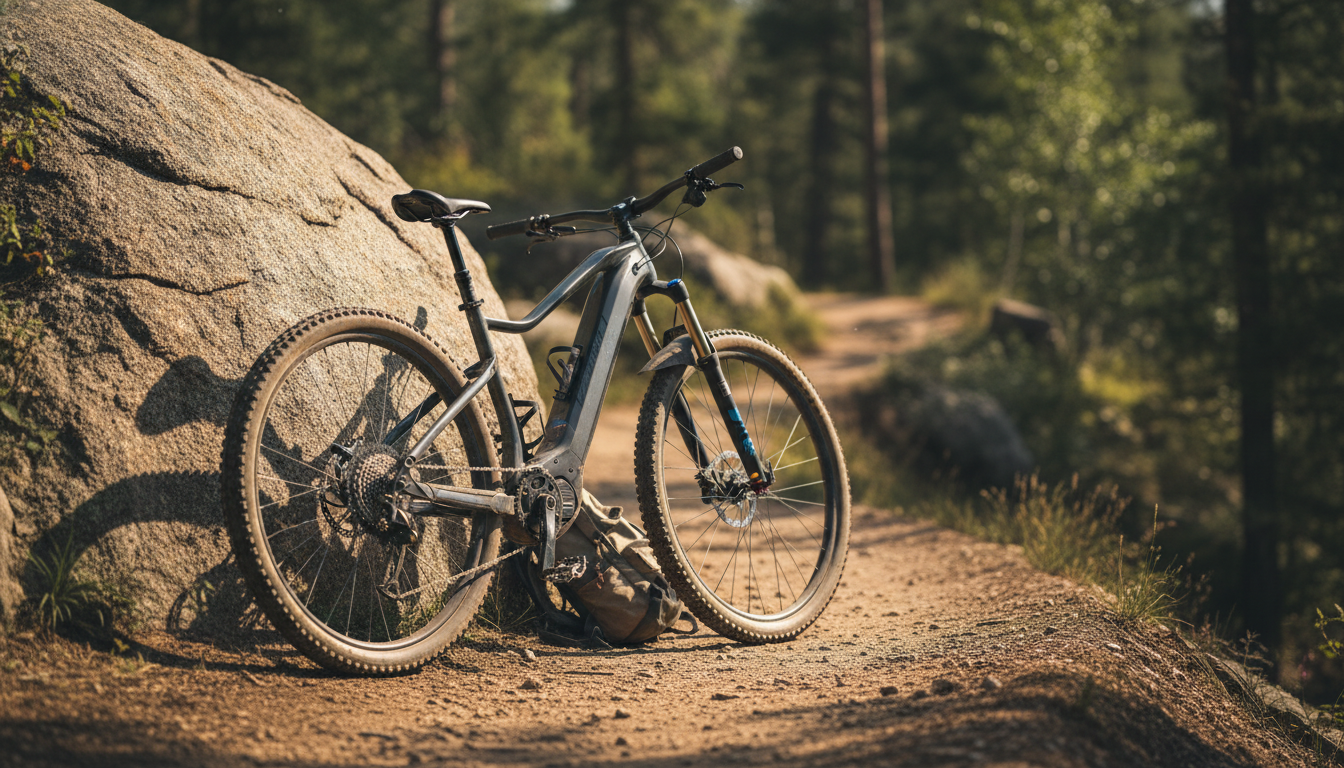
Hardtail e-MTBs hit a sweet spot that full-suspension bikes can’t match on price. You get a capable, lightweight(er) trail machine without the added cost of a rear shock, linkage hardware, and the extra motor stress that comes with it. The question is which one deserves your money, because the field has grown crowded and the quality gap between brands is real.
Why hardtail still makes sense for e-MTB
A hardtail eliminates the rear suspension pivot, which means less frame flex, lower weight, and simpler maintenance. On a pedal-assist bike, that matters more than people admit. Full-suspension e-MTBs regularly tip past 50 lbs. A solid hardtail can come in under 45 lbs, sometimes closer to 42, and you feel that difference on punchy climbs.
The trade-off is obvious: rough, chunky descents punish you through the seat and bars. But if your trails are flowy singletrack, hardpack, or cross-country style terrain, a hardtail e-MTB is not a compromise. It’s the right tool.
The top picks
Specialized’s Tero X line uses the Brose S Mag motor (50 Nm, 90 rpm cadence ceiling) which owner reports consistently describe as smooth and natural-feeling. The 4.0 trim sits at an accessible price point compared to the upper Tero X tiers, comes with a 700Wh internal battery, and runs a RockShox Judy Silver fork. Geometry is trail-oriented rather than XC-aggressive, so it handles with confidence on loose terrain.
The Tero X platform has been refined over several years and the community feedback on the drivetrain longevity is mostly positive. For riders who want a do-it-all hardtail without chasing boutique brands, this is the safest buy.
The Powerfly 5 runs a Bosch Performance Line CX motor (85 Nm), which is the gold standard for raw torque in e-MTB. The 625Wh Bosch PowerTube battery integrates cleanly into the downtube and the Bosch system’s serviceability network is unmatched. If your motor or battery needs attention in three years, you can find a Bosch dealer.
Trek builds the Powerfly 5 with a RockShox 35 fork, 29-inch wheels, and a 1x11 Deore drivetrain. Reviews across Trek’s retailer pages and trail forums flag the weight as a slight drawback at around 50 lbs, but riders who prioritize motor reliability and dealer support consistently rate it at the top of the segment.
Giant’s in-house SyncDrive Pro2 motor (80 Nm, based on Yamaha’s platform) has earned a reputation for durability across thousands of logged trail hours in owner communities. The Fathom E+ 2 pairs it with a 500Wh EnergyPak battery, which is smaller than competitors at this price, but Giant’s range management via the RideControl app is genuinely good.
Where the Fathom E+ 2 earns its place is handling. The geometry is aggressive for a hardtail: slack head angle, long reach, short chainstays. It rides like a real mountain bike, not a commuter with knobbies. Buyers who’ve come from full-suspension rigs often note it’s the first hardtail that didn’t feel like a downgrade.
The Trail Neo 3 uses a Bosch Performance Line (not CX), which brings torque down to 65 Nm. For casual to moderate trail riding that’s plenty, and the lower-spec motor keeps the price accessible. The SmartForm C2 alloy frame is well-regarded for stiffness, and Cannondale’s geometry tuning on this platform favors stability over twitchiness.
This is the pick for riders who want a quality build without paying for performance they won’t use. If you’re not riding technical enduro lines, the non-CX Bosch motor is genuinely fine, and you save meaningful money.
What to look for beyond the motor
Motor torque gets all the attention, but the battery capacity and charge architecture matter just as much for real-world riding. A 500Wh pack gives you roughly 40-60 miles in mixed assist modes on average terrain. A 625-750Wh pack extends that range noticeably, especially in Sport or Turbo mode on sustained climbs.
Fork quality is the other variable that separates budget hardtails from serious ones. A RockShox 35 or Fox Rhythm 34 handles trail inputs competently. Anything below that (SR Suntour XCR, basic coil forks) will limit how confidently you can push the bike. Check the fork spec before the drivetrain spec.
Budget vs. Premium: where the line is
Under $3,500 you’re generally looking at competent but not exceptional components. Motor systems are usually Bosch Performance Line, Shimano EP6, or comparable. Forks are entry-level trail grade.
$3,500–$5,500 is where the serious options live. This is where you get CX-class motors, 625Wh+ batteries, and proper trail forks. The picks above mostly live in this band.
Above $5,500 on a hardtail, you’re paying for carbon frames, flight-spec components, or brand premium. Hard to justify for most riders unless weight is genuinely a priority.
The bottom line: the Trek Powerfly 5 wins for riders who want long-term serviceability and torque. The Giant Fathom E+ 2 wins for riders who want a bike that handles like an actual trail machine. Either is a strong choice, and both beat most of the field at their price points.